
859 products
Filter
10 g Vial Holder/Adapter, Powder, Colorimeter Cases (for 9502, 9503, 9504)
SKU: 7157
Regular price
$6.44
Regular price

2-Standard Comparator, Orthophosphate (hi range), Stannous Chloride, 20 & 40 ppm
SKU: K-1832
Regular price
$153.52
Regular price
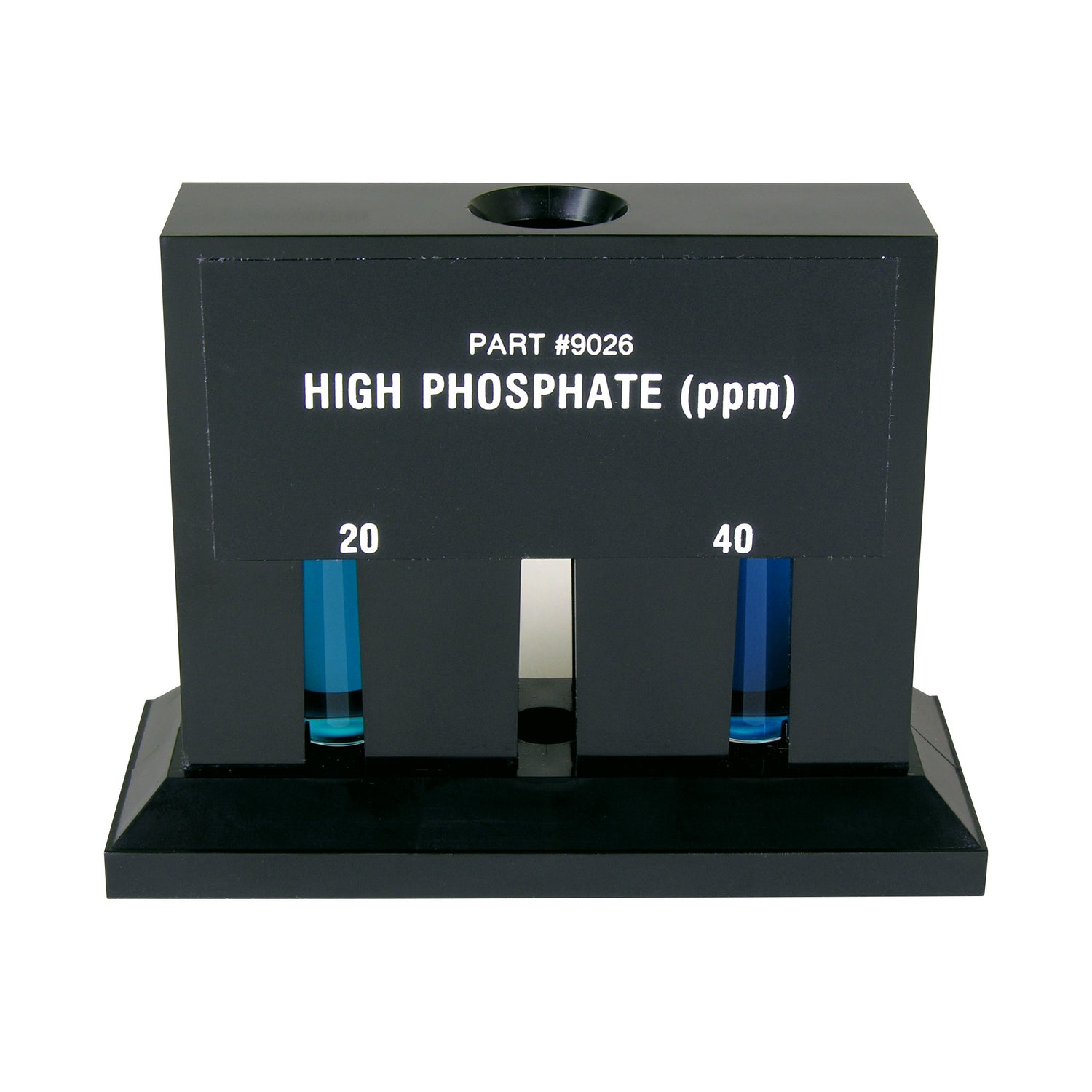
2-Standard Comparator, Orthophosphate (hi range), Stannous Chloride, 20 & 40 ppm - TEST
SKU: 9026
Regular price
$91.00
Regular price
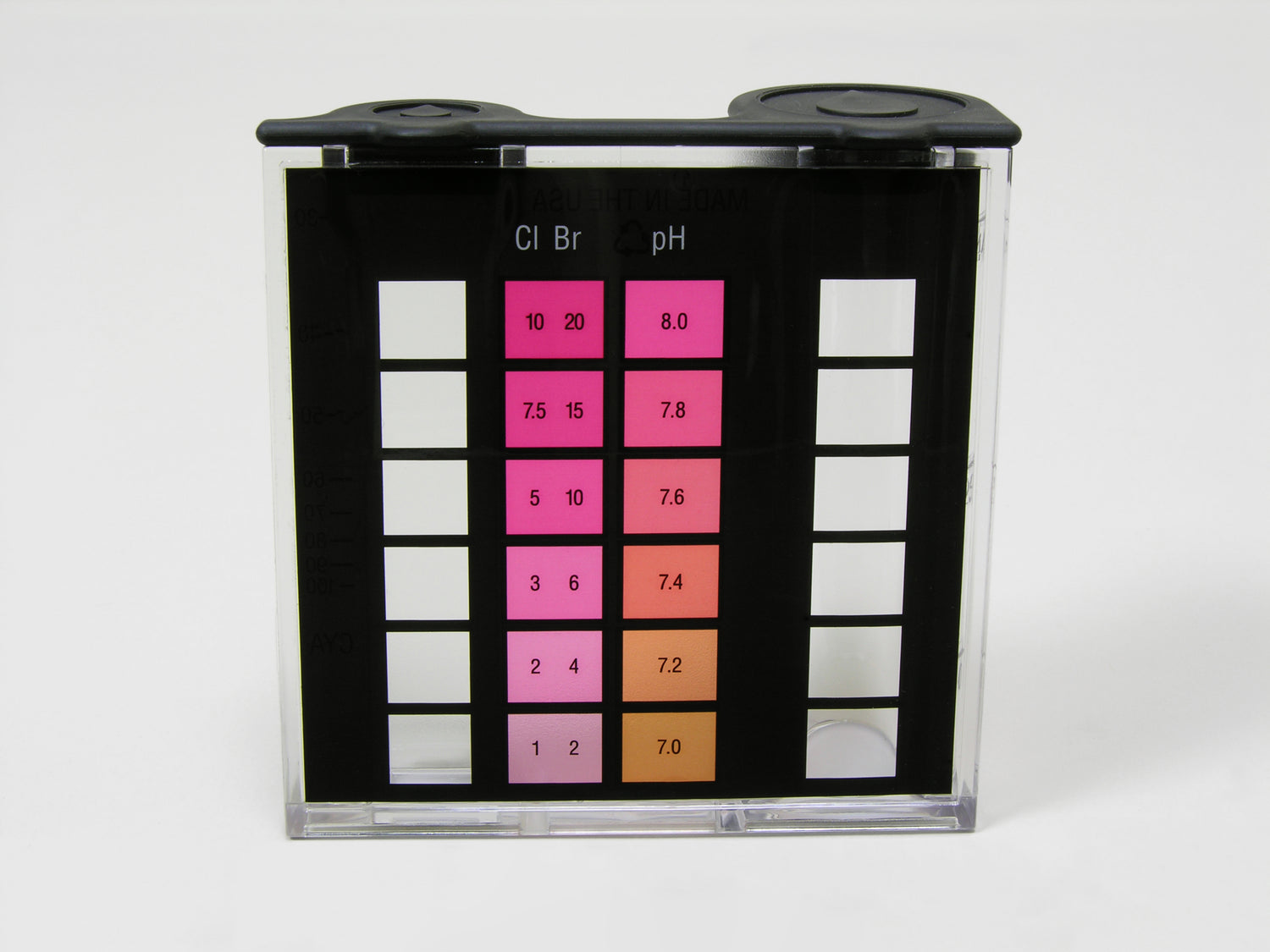
2000 Series Comparator, Bromine & Chlorine (hi range), DPD/pH, 7.0-8.0
SKU: 9056
Regular price
$16.07
Regular price

2000 Series Comparator, Bromine & Chlorine (lo range), DPD/pH, 7.0-8.0
SKU: 9057
Regular price
$16.71
Regular price
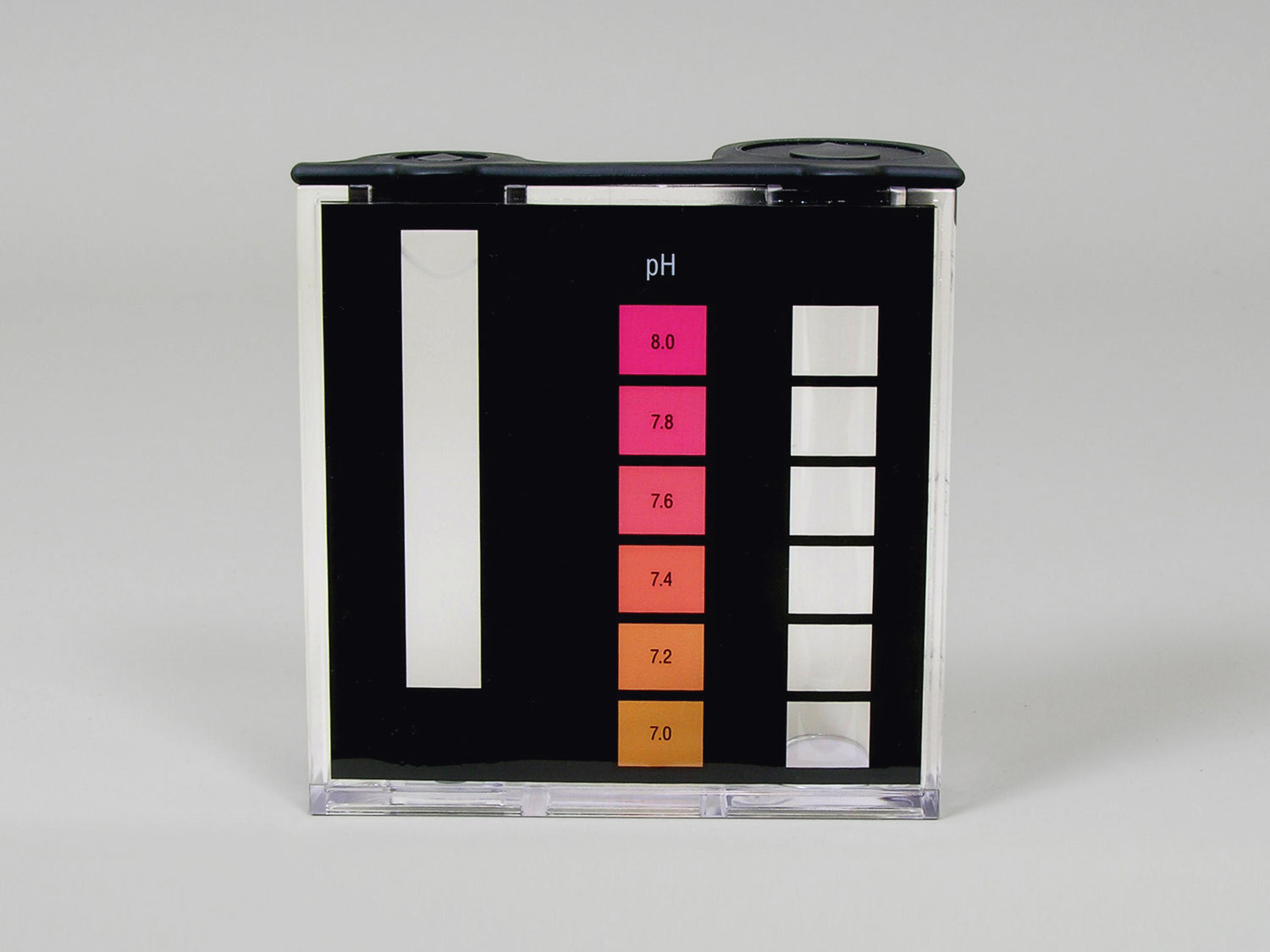
2000 Series Comparator, Bromine & Chlorine, FAS-DPD/pH, 7.0-8.0
SKU: 9058
Regular price
$16.71
Regular price

3-Way Test Kit for Pool & Spas (OTO)
SKU: K-1000
Regular price
$17.21
Regular price

3-Way Test Kit for Pools & Spas (DPD)
SKU: K-1001
Regular price
$18.70
Regular price

6-Way Test Kit for Pools & Spas (DPD)
SKU: K-1004
Regular price
$36.21
Regular price
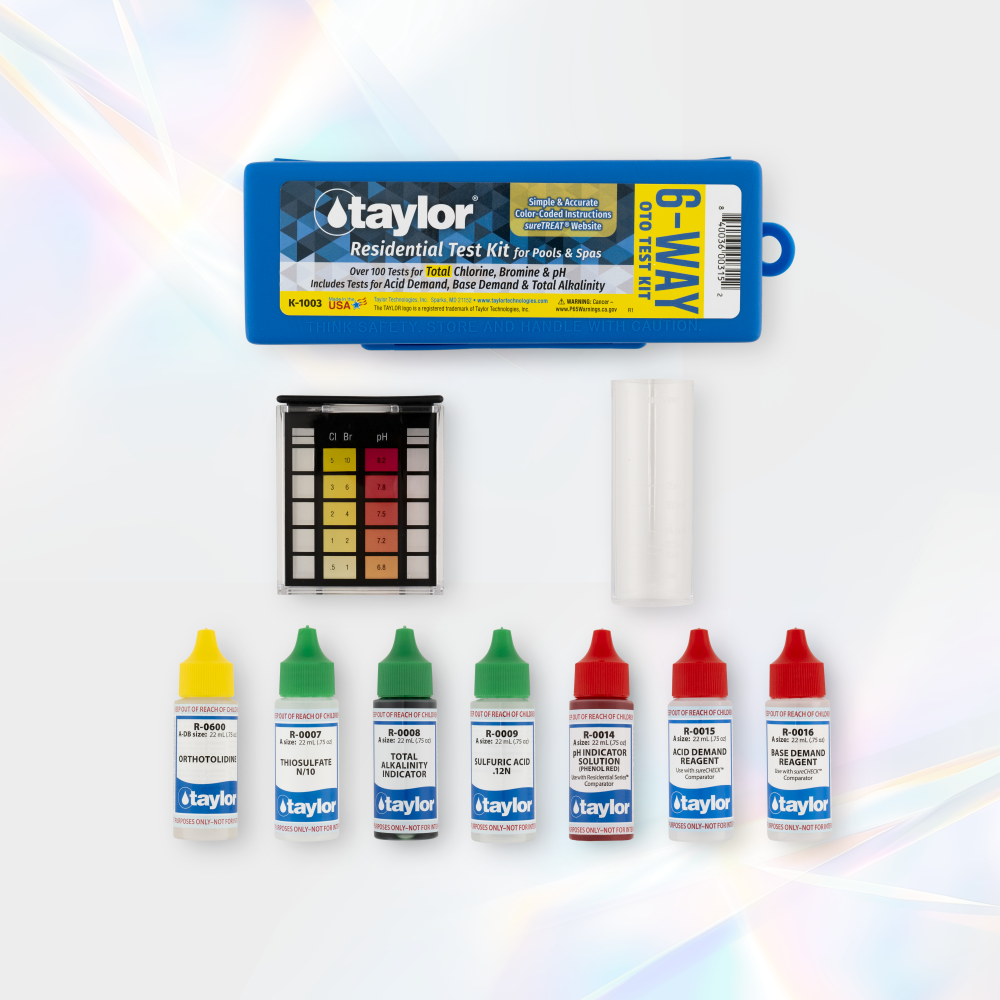
6-Way Test Kit for Total Chlorine, Bromine (OTO), pH (acid & base demand), Alkalinity
SKU: K-1003
Regular price
$33.46
Regular price
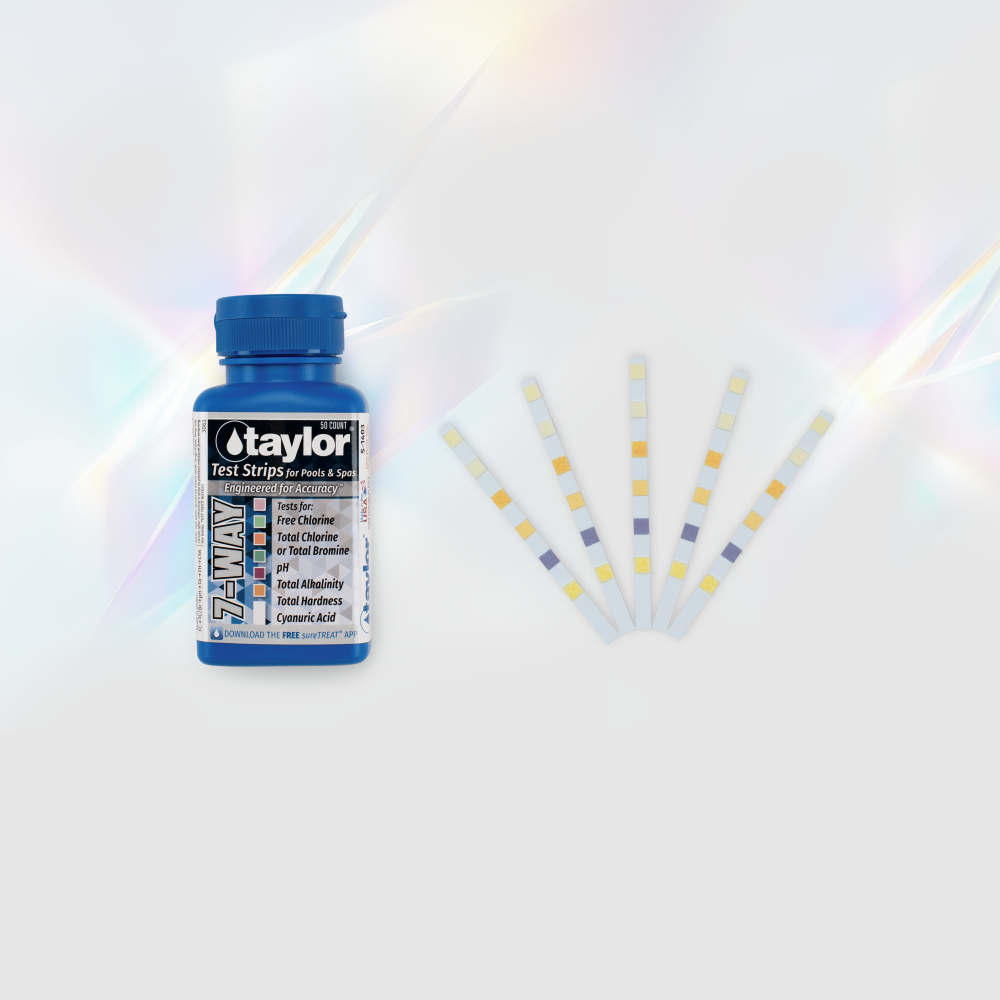

9-Way Test Kit for Pools & Spas (DPD)
SKU: K-1005
Regular price
$69.38
Regular price
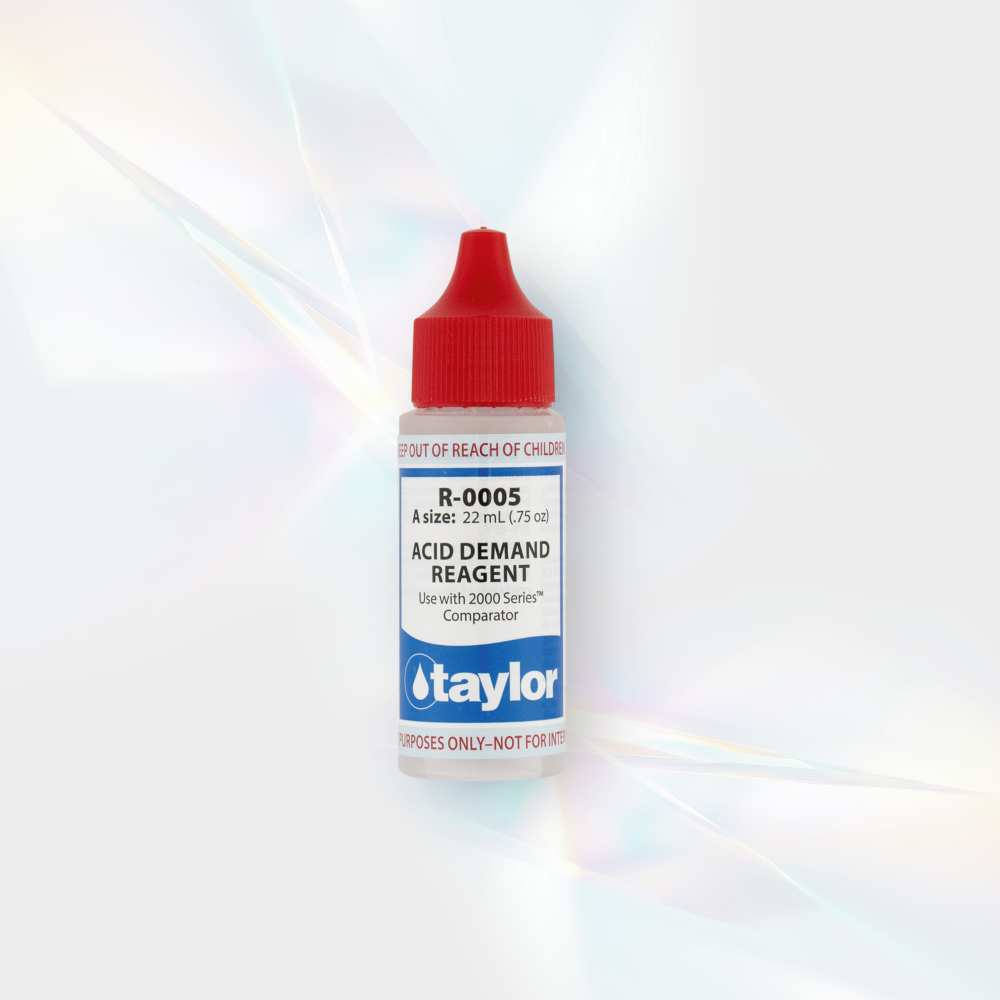
Acid Demand Reagent (for 2000 Series), .75 oz, Dropper Bottle
SKU: R-0005-A
Regular price
$5.68
Regular price
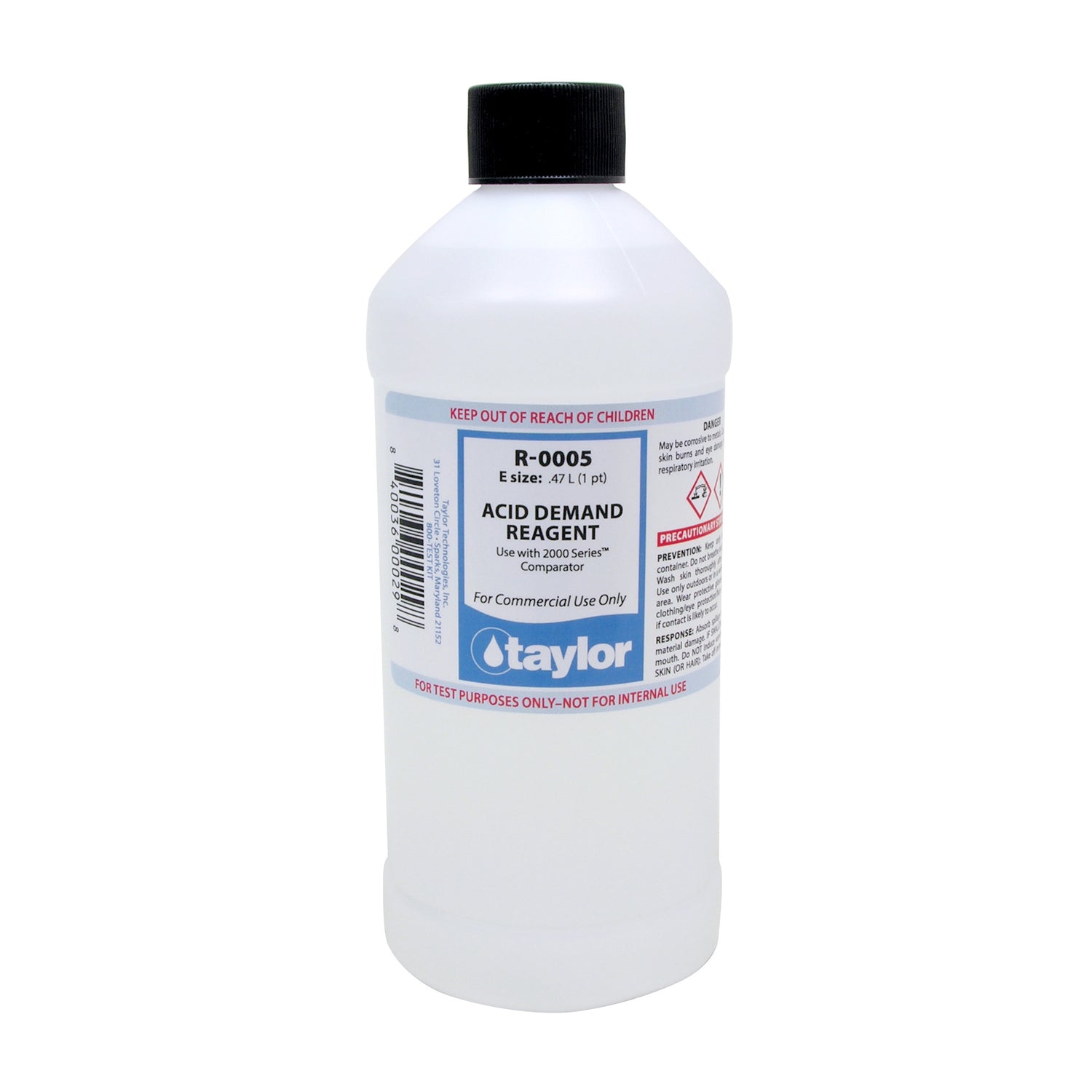
Acid Demand Reagent (for 2000 Series), 16 oz
SKU: R-0005-E
Regular price
$21.90
Regular price
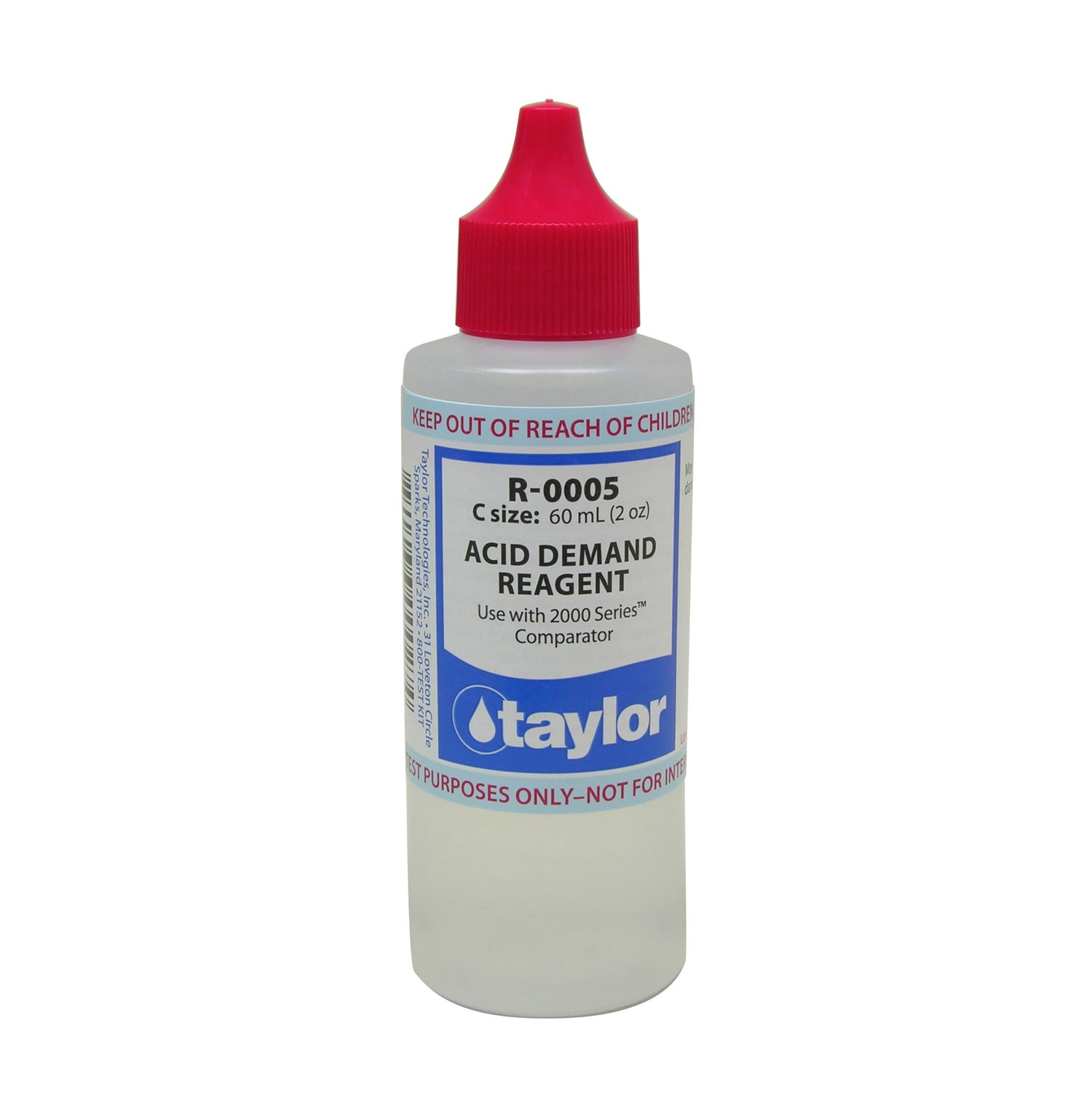
Acid Demand Reagent (for 2000 Series), 2 oz, Dropper Bottle
SKU: R-0005-C
Regular price
$9.19
Regular price
